
 English
 Spanish
 French
 German
 Italian
 Chinese (Simplified)
 Japanese
 Korean
 Arabic
 Portuguese






 Send Inquiry
Zinc Oxide
Price 230 INR/ Kilograms
MOQ : 50 Kilograms
Zinc Oxide Specification
- Packaging Type
- Bag, Drum
- Boiling point
- 2360C
- Melting Point
- 1975C
- Density
- 5.606 Gram per cubic centimeter(g/cm3)
- Usage
- Used in manufacturing rubber products, as an additive in ceramics, pharmaceuticals, paints
- Purity
- 99%
- Size
- Fine powder
- Storage Instructions
- Store in a cool, dry place, tightly closed
- Shelf Life
- 24 months
- Molecular Formula
- ZnO
- Molecular Weight
- 81.38 g/mol
- Ph Level
- 7-8 (in 10% aqueous solution)
- Physical State
- Solid
- CAS No
- 1314-13-2
- Grade
- Industial
- Type
- Powder
- Application
- Rubber, Ceramics, Paints, Pharmaceuticals, Cosmetics
- Appearance
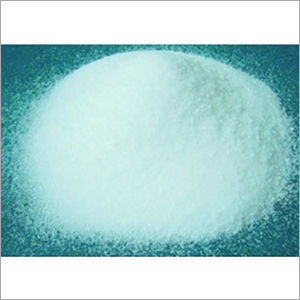
- White powder
- Purity(%)
- 99%
- HS Code
- 28170010
- Solubility
- Insoluble in water, soluble in acids and alkalis
- Storage Temperature
- Room temperature
- Odor
- Odorless
- Stability
- Stable under recommended storage conditions
- Hazards
- Non-flammable, handle with care to avoid inhalation
- Refractive Index
- 2.008
- Particle Size
- Below 45 micron
Zinc Oxide Trade Information
- Minimum Order Quantity
- 50 Kilograms
- Supply Ability
- 30000 Kilograms Per Day
- Delivery Time
- 7 Days
About Zinc Oxide
Zinc oxide is required to manufacture rubber and ceramic items by treating it with different procedures. As part of ceramic production method, this chemical is calcined to decrease its metal content, volatile substance and water soluble content. These procedures are followed to attain stability of this chemical in order to make it suitable for producing ceramic. As suitable amphoteric oxide, this chemical does not dilute in ethanol and water. Zinc Oxide readily dilutes in acid based solution. This laboratory chemical needs to be stored away from moisture and air.Exceptional Purity and Stability
Our Zinc Oxide boasts a high purity of 99%, ensuring consistent performance across various industrial applications. The compound is chemically stable and maintains its quality when stored in a cool, dry environment at room temperature, with a recommended shelf life of 24 months.
Versatile Industrial Applications
Zinc Oxide is an essential material in rubber production, ceramics, paints, and pharmaceuticals. Its fine powder form and high refractive index make it suitable for enhancing product properties, such as opacity in paints and strength in rubber manufacturing.
Safe Handling and Storage
Despite being non-flammable and generally safe, proper precautions should be taken to avoid inhalation. The product should be stored in tightly closed bags or drums in cool, dry conditions to preserve its integrity and extend shelf life.
FAQ's of Zinc Oxide:
Q: How should Zinc Oxide be handled during use?
A: Zinc Oxide should be handled with care to avoid inhaling fine particles. Use appropriate protective equipment, and handle the powder in a well-ventilated area. The material is non-flammable but should be kept tightly sealed when not in use.Q: What are the main industrial applications of Zinc Oxide?
A: Zinc Oxide is primarily used as an additive in manufacturing rubber products, ceramics, pharmaceuticals, and paints. Its properties also make it suitable for use in cosmetics and as an ingredient in various industrial processes.Q: When should Zinc Oxide be replaced or discarded?
A: Zinc Oxide should be replaced or discarded if it passes its shelf life of 24 months, or if there are visible signs of contamination or clumping. Always follow your facility's material safety and quality guidelines.Q: Where should Zinc Oxide be stored for optimal longevity?
A: Store Zinc Oxide in a cool, dry location in tightly closed bags or drums. Avoid exposure to moisture and direct sunlight to maintain its stability and effectiveness throughout its 24-month shelf life.Q: What is the process for dissolving Zinc Oxide?
A: Zinc Oxide is insoluble in water but dissolves efficiently in acids and alkalis. To dissolve, add the powder slowly to the chosen acidic or alkaline solution while stirring to ensure complete dispersion.Q: How does Zinc Oxide benefit rubber and paint manufacturing?
A: In rubber manufacturing, Zinc Oxide improves durability and heat resistance. In paints, its high refractive index enhances opacity and brightness, resulting in better coverage and visual appeal.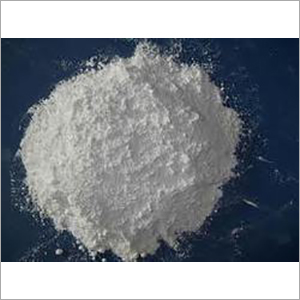
Tell us about your requirement

Price:
Quantity
Select Unit
- 50
- 100
- 200
- 250
- 500
- 1000+
Additional detail
Mobile number
Email

More Products in Laboratory Chemicals Category
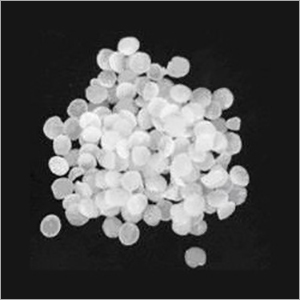
Potassium Iodide
Price 5500 INR / Kilograms
Minimum Order Quantity : 50 Kilograms
Appearance : White crystalline solid
Molecular Formula : KI
Molecular Weight : 166.00 g/mol
Ph Level : Neutral (7 in 5% solution)
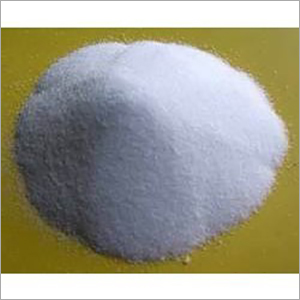
Ammonium Carbonate
Price 75 INR / Kilograms
Minimum Order Quantity : 50 Kilograms
Appearance : White crystalline powder
Molecular Formula : (NH4)2CO3
Molecular Weight : 96.09 g/mol
Ph Level : Aqueous solution: 9.2 9.9
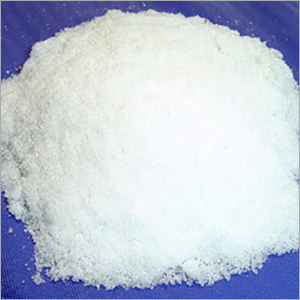
Aluminum Potassium Sulphate FCC
Price 85 INR / Kilograms
Minimum Order Quantity : 50 Kilograms
Appearance : White crystalline powder
Molecular Formula : KAl(SO4)212H2O
Molecular Weight : 474.39 g/mol
Ph Level : Approx. 3.0 (5% solution)
Potassium Citrate
Price 130 INR / Kilograms
Minimum Order Quantity : 50 Kilograms
Appearance : White Crystalline Powder
Molecular Formula : C6H5K3O7
Molecular Weight : 306.39 g/mol
Ph Level : 7.5 9.0 (5% solution in water)

Contact Details
- Survey No 258/1, Opp. Raj Ind Estate, Samlaya Road, Karchiya,Vadodara - 391520, Gujarat, India
- oasisfinechem1@yahoo.in
 Send Inquiry
- Phone :91--7984442810




 |
OASIS FINE CHEM
All Rights Reserved.(Terms of Use) Developed and Managed by Infocom Network Private Limited. |
