
 English
 Spanish
 French
 German
 Italian
 Chinese (Simplified)
 Japanese
 Korean
 Arabic
 Portuguese





 Send Inquiry
Sodium Thiosulphate
Price 55 INR/ Kilograms
MOQ : 50 Kilograms
Sodium Thiosulphate Specification
- Shelf Life
- 2 years (if stored properly)
- Boiling point
- Decomposes before boiling
- CAS No
- 7772-98-7
- Flash Point
- Non-flammable
- Size
- Crystalline granules
- Physical State
- Solid (crystalline)
- Density
- 1.667 Gram per cubic centimeter(g/cm3)
- Purity
- 99%
- Usage
- Used in photography, water treatment, textile processing, gold extraction, and as a reducing agent
- Melting Point
- 48.3C (118.9F)
- Molecular Formula
- Na2S2O35H2O
- Molecular Weight
- 158.11 g/mol
- Storage Instructions
- Store in a cool, dry place, away from sunlight and heat
- Ph Level
- 6.5-8.5 (5% solution)
- Packaging Type
- Plastic bags, fiber drums, HDPE bags, customized packaging
- Grade
- Industial
- Type
- Inorganic Salt
- Application
- Photographic fixer, dechlorination agent, water treatment, chemical analysis, medical use
- Appearance
- Colorless or white crystalline solid
- Purity(%)
- 99%
- Main Impurities
- Free alkali, insoluble matter
- Stability
- Stable under normal conditions
- Odor
- Odorless
- Sensitivity
- Sensitive to heat; decomposes on heating
- Hazard Class
- Not classified as hazardous
- Solubility
- Highly soluble in water
- Transport Information
- Non-dangerous good
- EC No
- 231-867-5
Sodium Thiosulphate Trade Information
- Minimum Order Quantity
- 50 Kilograms
- Supply Ability
- 3000 Kilograms Per Day
- Delivery Time
- 7 Days
About Sodium Thiosulphate
Sodium Thiosulphate is an industrial and lab chemical with a history of medical applications. It is a non-toxic compound that is generally used as a food preservative in table salt, alcoholic beverages, etc. Also called STS, Sodium Thiosulphate has been approved for the treatment of certain medical conditions.
A Versatile Industrial Inorganic Salt
Sodium Thiosulphate stands out for its adaptability across a wide range of industrial processes. Its primary uses span from photographic fixing and water dechlorination to applications in textiles and gold mining. Its stable and non-hazardous profile ensures dependable performance with minimal safety concerns, making it a preferred choice for manufacturers and suppliers across India.
Handling and Storage Recommendations
To maintain sodium thiosulphate's quality, store it in a cool, dry environment, away from heat and sunlight. The compound should be kept in sealed packaging, such as HDPE bags or fiber drums, to prevent contamination from moisture or impurities. When stored as directed, it remains stable and effective for up to two years.
FAQ's of Sodium Thiosulphate:
Q: How should sodium thiosulphate be stored to ensure optimal shelf life?
A: Sodium thiosulphate should be kept in a cool, dry place away from direct sunlight and heat. Properly sealed packaging such as plastic bags, fiber drums, or HDPE bags is recommended to maintain its 99% purity and prevent moisture contamination, ensuring a shelf life of up to 2 years.Q: What are the main applications of sodium thiosulphate in industry?
A: This compound is widely used as a photographic fixer, a dechlorination agent in water treatment, in textile processing, for gold extraction, chemical analysis, and certain medical applications. Its high solubility and stable nature contribute to its wide industrial utility.Q: When does sodium thiosulphate decompose, and at what temperature?
A: Sodium thiosulphate is stable under normal conditions but is sensitive to heat and decomposes when heated. The crystalline form melts at 48.3C (118.9F) and decomposes before reaching its boiling point.Q: Where is sodium thiosulphate most commonly used?
A: It is commonly found in photography studios, water treatment facilities, textile manufacturing plants, chemical laboratories, and gold processing units. Its ability to neutralize chlorine and serve as a reducing agent makes it valuable in these diverse sectors.Q: What benefits does sodium thiosulphate offer over other similar chemicals?
A: Sodium thiosulphate is non-flammable, highly soluble, and not classified as hazardous or dangerous for transport. These advantages allow for safer handling and easier storage, making it suitable for various applications without significant risk.Q: How is sodium thiosulphate typically packaged for transport and export?
A: For safe handling and transport, sodium thiosulphate is packaged in plastic bags, fiber drums, or HDPE bags, with customized packaging available to suit specific shipment or storage needs. Being a non-dangerous good further streamlines logistic processes.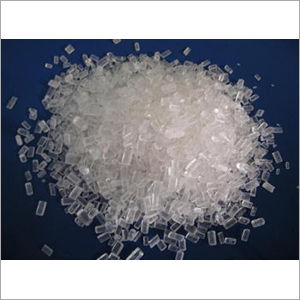
Tell us about your requirement

Price:
Quantity
Select Unit
- 50
- 100
- 200
- 250
- 500
- 1000+
Additional detail
Mobile number
Email

More Products in Laboratory Chemicals Category
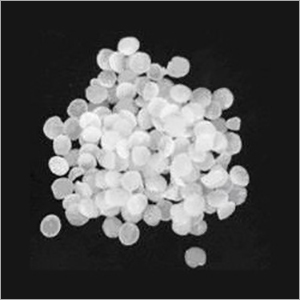
Potassium Iodide
Price 5500 INR / Kilograms
Minimum Order Quantity : 50 Kilograms
CAS No : 7681110
Type : Other, Inorganic Salt
Grade : Industial
Appearance : White crystalline solid
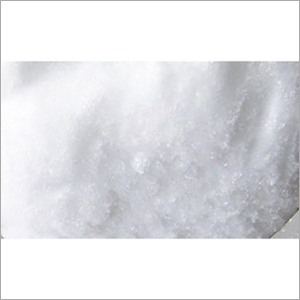
Ammonium Acetate
Price 165 INR / Kilograms
Minimum Order Quantity : 50 Kilograms
CAS No : 631618
Type : Other, Inorganic Salt
Grade : Industial
Appearance : White crystalline solid / Powder
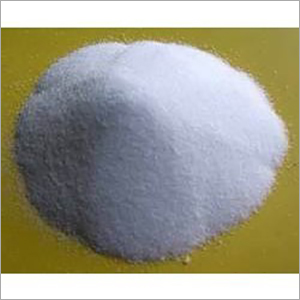
Ammonium Carbonate
Price 75 INR / Kilograms
Minimum Order Quantity : 50 Kilograms
CAS No : 506876
Type : Other, Inorganic Compound
Grade : Industial
Appearance : White crystalline powder
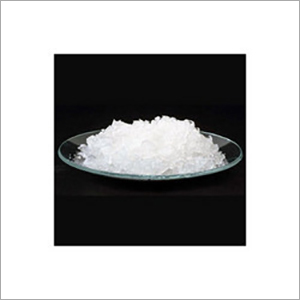
Sodium Carbonate Anhydrous
Price 95 INR / Kilograms
Minimum Order Quantity : 50 Kilograms
CAS No : 497198
Type : Other, Anhydrous
Grade : Industial
Appearance : White crystalline powder

Contact Details
- Survey No 258/1, Opp. Raj Ind Estate, Samlaya Road, Karchiya,Vadodara - 391520, Gujarat, India
- oasisfinechem1@yahoo.in
 Send Inquiry
- Phone :91--7984442810




 |
OASIS FINE CHEM
All Rights Reserved.(Terms of Use) Developed and Managed by Infocom Network Private Limited. |
