
 English
 Spanish
 French
 German
 Italian
 Chinese (Simplified)
 Japanese
 Korean
 Arabic
 Portuguese





 Send Inquiry
Ammonium Acetate
Price 165 INR/ Kilograms
MOQ : 50 Kilograms
Ammonium Acetate Specification
- Physical State
- Solid
- Purity
- 99%
- CAS No
- 631-61-8
- Molecular Weight
- 77.08 g/mol
- Storage Instructions
- Store in a cool, dry place, tightly closed
- Density
- 1.17 Gram per cubic centimeter(g/cm3)
- Size
- Custom or standard as per requirement
- Packaging Type
- Bag / Drum / Bottle
- Usage
- Used as buffer solution, food additive, analytical chemistry, pharmaceuticals
- Molecular Formula
- CH3COONH4
- Shelf Life
- 2 years, under proper storage conditions
- Melting Point
- 114 C
- Ph Level
- Approximately 7 (neutral, in aqueous solution)
- Flash Point
- Non-flammable
- Boiling point
- Decomposes before boiling
- Grade
- Industial
- Type
- Inorganic Salt
- Application
- Pharmaceutical, Laboratory Reagent, Food Additive, Water Treatment
- Appearance
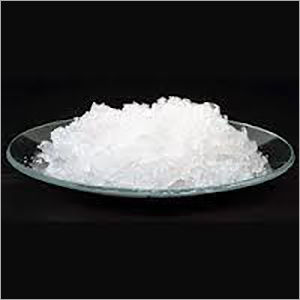
- White crystalline solid / Powder
- Purity(%)
- 99%
- Solubility
- Soluble in water, alcohol, and liquid ammonia
- Odor
- Slight acetic odor
- Maximum moisture
- 0.5%
- Assay
- Minimum 98.5%
- Hazard Class
- Not classified as hazardous
- Reactivity
- Stable under recommended storage conditions
- EC Number
- 211-162-9
- pH of 5% solution
- 6.7 - 7.3
Ammonium Acetate Trade Information
- Minimum Order Quantity
- 50 Kilograms
- Supply Ability
- 3000 Kilograms Per Day
- Delivery Time
- 7 Week
About Ammonium Acetate
Ammonium Acetate is a salt with excellent chemical properties. It finds use as a raw material and as an intermediary in pharmaceutical industry. With the chemical formula of NH4OAc, this salt is made when ammonia and acetic acid react. It is also utilized in applications that demand buffer solutions. It is used with acetic acid for regulating the pH. This buffering agent is less extensive as it can be volatile in low pressures. One of the most popular reactions in which ammonium acetate is utilized is Henry reaction. This water soluble chemical compound has a slightly acidic odour. The other applications of ammonium acetate are the synthesis of certain agricultural chemicals and anti-inflammatory drugs.
Versatile Applications Across Industries
Ammonium Acetate stands out for its multifunctional use in several industries. In the pharmaceutical sector, it acts as a buffer, ensuring consistent chemical reactions. Laboratories employ it as a reagent for analytical chemistry, while the food industry uses it as an additive. In water treatment, it helps regulate pH and enhances purification processes. Its adaptability and compatibility make it an essential compound for industrial and research operations alike.
Reliable Quality and Safe Handling
This product is manufactured with an exceptional purity of 99% and meets rigorous industrial-grade standards. It is stable under advised storage conditions, non-flammable, and not classified as hazardous according to global safety guidelines. Packaged securely in bags, drums, or bottles and with a shelf life of two years, Ammonium Acetate is easy to store in a cool, dry place, ensuring safety and quality throughout its lifecycle.
FAQ's of Ammonium Acetate:
Q: How should Ammonium Acetate be stored to maintain its quality?
A: Ammonium Acetate should be stored in tightly closed containers in a cool, dry place. Keeping it away from moisture and direct sunlight helps preserve its purity and ensures optimal shelf life of up to two years.Q: What are the main benefits of using Ammonium Acetate in laboratory procedures?
A: In laboratories, Ammonium Acetate is valued for its high solubility and neutral pH, making it a reliable buffer and reagent. It ensures the accuracy of analytical results and supports various biochemical processes without introducing significant contaminants.Q: Where can Ammonium Acetate be applied across different industries?
A: Ammonium Acetate is widely used in the pharmaceutical industry as a buffering agent, in laboratories for chemical analysis, as a food additive, and in water treatment for pH adjustment. Its versatility supports numerous industrial and scientific applications.Q: What is the typical physical appearance of Ammonium Acetate and how can it be identified?
A: Ammonium Acetate typically appears as a white crystalline solid or powder and has a slight acetic odor. Its purity can be verified through laboratory assay, with this product offering a minimum of 98.5% purity.Q: Is Ammonium Acetate classified as hazardous or flammable?
A: No, Ammonium Acetate is not classified as hazardous and is non-flammable according to safety standards. This makes it safe to use and handle in most industrial and laboratory environments when proper guidelines are followed.Q: How is Ammonium Acetate typically used as a buffer solution?
A: Ammonium Acetate is often dissolved in water to prepare buffer solutions, stabilizing pH in chemical reactions. Its near-neutral pH in a 5% solution allows it to effectively maintain desired conditions in pharmaceutical and analytical chemistry processes.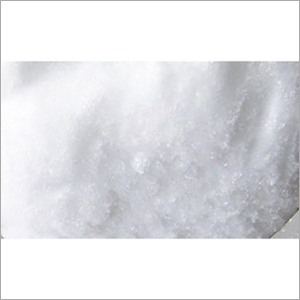
Tell us about your requirement

Price:
Quantity
Select Unit
- 50
- 100
- 200
- 250
- 500
- 1000+
Additional detail
Mobile number
Email

More Products in Laboratory Chemicals Category
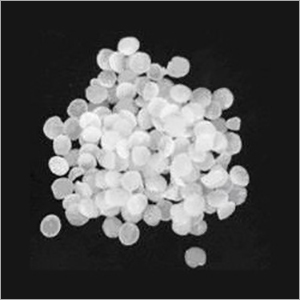
Potassium Iodide
Price 5500 INR / Kilograms
Minimum Order Quantity : 50 Kilograms
Purity(%) : 99%
Grade : Industial
Molecular Formula : KI
CAS No : 7681110
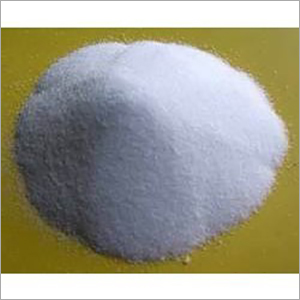
Ammonium Carbonate
Price 75 INR / Kilograms
Minimum Order Quantity : 50 Kilograms
Purity(%) : 99%
Grade : Industial
Molecular Formula : (NH4)2CO3
CAS No : 506876
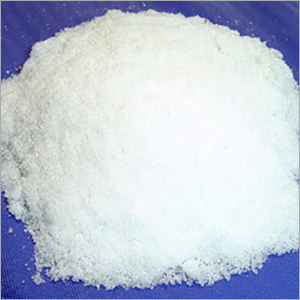
Aluminum Potassium Sulphate FCC
Price 85 INR / Kilograms
Minimum Order Quantity : 50 Kilograms
Purity(%) : 99%
Grade : Industial
Molecular Formula : KAl(SO4)212H2O
CAS No : 7784249
EDTA Disodium Salt
Price 450 INR / Kilograms
Minimum Order Quantity : 50 Kilograms
Purity(%) : 99%
Grade : Industial
Molecular Formula : C10H14N2Na2O8.2H2O
CAS No : 6381926

Contact Details
- Survey No 258/1, Opp. Raj Ind Estate, Samlaya Road, Karchiya,Vadodara - 391520, Gujarat, India
- oasisfinechem1@yahoo.in
 Send Inquiry
- Phone :91--7984442810



 |
OASIS FINE CHEM
All Rights Reserved.(Terms of Use) Developed and Managed by Infocom Network Private Limited. |
